When Mental Health Becomes Content
In search of our bodies in a world that keeps rewarding us for staying in our heads.
7 min read
I remember once pushing my therapist to give me a diagnosis. I wanted a name for what was happening, something concrete that could explain why I felt the way I did. I remember seeing this tiny hesitation on her face and thinking, Why is she being so stingy with a diagnosis?
It took me two and a half semesters of mental health counseling school, and a lot more reflection, to understand that maybe she was not being stingy at all. A diagnosis can be incredibly useful. A good assessment and the right diagnosis can guide treatment, including decisions around medication, connect someone with more specialized care, help with accommodations, and finally give language to something that has felt confusing for years. Sometimes a diagnosis can be life-changing. But it can also become another thing to investigate. Is this because I have X? Was that a symptom? Have I always done this? What else do people with X do? Is this my diagnosis, or is this just me? For a mind already looking for explanations, even the explanation can become another question.

A diagnosis is a tool
The DSM, the Diagnostic and Statistical Manual of Mental Disorders, exists for a reason. It gives clinicians a shared framework for identifying and distinguishing mental health conditions. Its criteria are meant to be used alongside clinical judgment, not as a checklist for the general public to diagnose themselves with.
When I first started reading the DSM-5, I had a brief period of thinking I had almost everything in it. I could recognize some version of myself in anxiety, ADHD, OCD, depression, trauma, personality traits, you name it. That was its own lesson. A lot of the experiences described in diagnostic manuals are also human experiences: distraction, worry, intrusive thoughts, sadness, avoidance, insecurity, impulsivity. They do not suddenly become a disorder because we recognize ourselves in them.
Many psychological traits and symptoms exist on a continuum. Diagnosis is usually about the larger pattern: how intense something is, how long it lasts, how often it happens, how much it interferes with someone’s life, and whether something else explains it better. The line between human and clinical is not always neat. The DSM taught me that recognition is easy. Context is the harder part.
The DSM is also a framework that changes as the field changes. Homosexuality, for example, was once classified as a mental disorder. The American Psychiatric Association voted to remove homosexuality itself in 1973, with the revised DSM-II reflecting that change in 1974. A related diagnosis, “ego-dystonic homosexuality,” remained until 1987. That does not make diagnosis meaningless. To me, it means we should be able to hold two things at once: diagnostic categories can be extremely useful, and they are still human-made systems that develop alongside research, culture, and our understanding of people.
Research has limitations too. Who gets studied? Who gets missed? What do researchers decide to measure? Western and U.S. populations have historically been overrepresented in psychological research, while many identities and cultural experiences have received far less attention.
As an Iranian immigrant woman, I rarely find myself meaningfully reflected in the exact populations behind the studies I read. More than once, I have experienced a side effect described as extremely rare. For a study population it may have been a fraction of a percent. For the person actually experiencing it, it was 100 percent of the experience.
Then there is the much less philosophical side of diagnosis: insurance. In many U.S. insurance settings, accessing covered mental health treatment involves an identified diagnosis or condition and demonstrating medical necessity. So sometimes one diagnosis is doing a lot of jobs at once: helping guide treatment, describing distress, organizing research, giving someone language, and convincing your meh insurance plan that yes, perhaps they should pay for the care you have been paying them to cover.
The diagnosis is not the problem. What interests me more is what happens when that clinical tool leaves the clinic.
When clinical words enter the feed
Mental health language now lives everywhere. We had the era of trauma. Sometimes we use the word casually for everything from a terrible date to a humiliating meeting at work. At the other extreme, someone may hear trauma and imagine only something severe and obvious, like a veteran returning from war with PTSD. That experience is absolutely real and profound, but it is only one way trauma can enter a life. Trauma can happen in places that look ordinary from the outside, and it can come from one catastrophic event or from repeated experiences that teach the body it is not safe.
Then came ADHD. Suddenly we were talking about executive dysfunction, hyperfocus, dopamine, time blindness, and whether walking into a room and forgetting why meant you had it. Then attachment styles, narcissists, gaslighting, neurodivergence, OCD.
I do not think this is automatically bad. Online mental health content can give people language for experiences they could never explain before. It can reduce shame, lead people toward care, and help someone discover that something they thought was simply a personal failure might actually be treatable.
But something changes when a complicated clinical concept has to survive the format of 5 signs you might have… You watch one ADHD video because it feels familiar, then another. You save a post about trauma. You linger on something about OCD because one sentence hits a little too close to home. Recommendation systems learn from those interactions, and suddenly your feed starts reflecting the same possibility back at you.
I do not think social media is literally gaslighting us. There is not some conscious algorithm plotting to convince you that you have OCD. But I do think the feed can become a kind of distorted mirror. It does not have to show us something completely false. It can take one part of us and reflect it back repeatedly until that part starts to look like the whole picture.
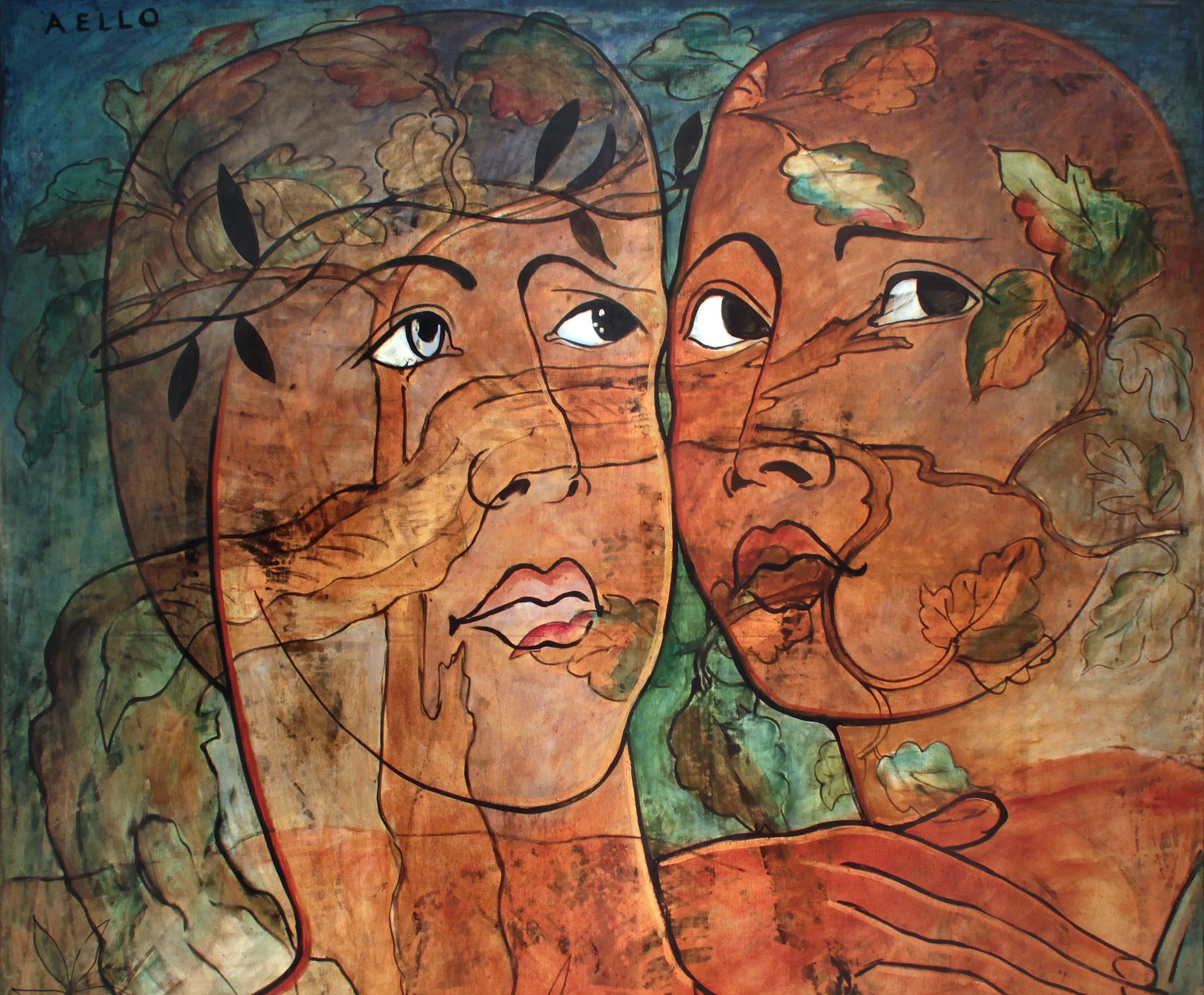
Have I always done this? Is this actually abnormal? Was that thing from ten years ago a symptom too? Maybe I thought I was fine because I just did not understand myself yet. Sometimes those questions lead somewhere genuinely useful. Sometimes repetition simply begins to feel like evidence.
But your feed does not know your developmental history, your relationships, your culture, your medical history, how long something has been happening, how much it interferes with your life, or whether another explanation fits better. It knows what kept your attention. That is not the same thing as knowing you.
And then there is something to buy
The feed does not always stop at recognition. Often, there is a marketplace waiting right behind it.
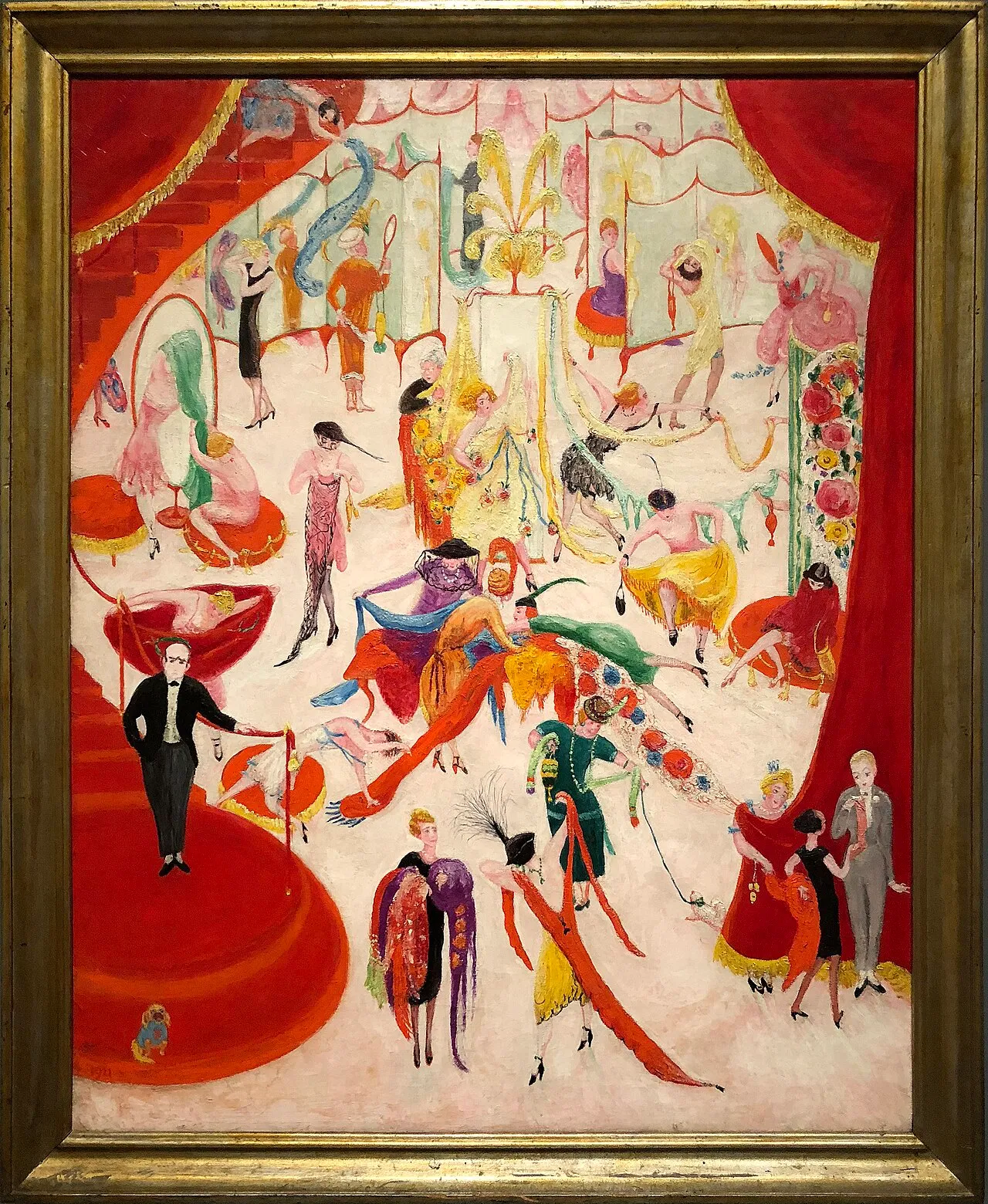

Maybe you have ADHD. Here is the ADHD planner. Maybe your nervous system is dysregulated. Here is an app, a supplement, a device, a course, a coach, a routine, or a product designed for people just like you.
Some of those things may genuinely help. The point is not that every product is a scam. What interests me is how quickly we can move from This sounds like me to This explains me to Something about me needs fixing to Here is what someone like me should buy. Sometimes the distance between feeling seen and being marketed to is surprisingly short.
In search of our bodies
After all the naming, categorizing, scrolling, comparing, and buying, I keep wanting to come back here: to the body itself. We live in a world that constantly rewards us for staying in our heads: analyzing, comparing, explaining, diagnosing, optimizing, researching, scrolling. We are encouraged to understand ourselves better, and then to understand why we need to understand ourselves better. At some point, understanding can become another form of distance.
Even when something feels wrong in our bodies, we can immediately turn upward and translate it into a question. What does this mean? What is this called? Which category does this belong to? Naming an experience can be deeply helpful, but sometimes, in the search for the perfect explanation, I wonder if we move farther away from the experience itself.

What is happening in my body right now? What tightens when I imagine saying yes? What softens when I imagine saying no? What happens just before I reach for my phone and ask someone else, or an algorithm, to tell me what this feeling means?
Looking back, maybe that was part of what I wanted from my therapist too. I was not only asking, What diagnosis do I have? Maybe underneath it I was asking, Can you tell me that what I am experiencing makes sense? Can you tell me there is a reason? Can you tell me you see it too? That is a very different question. Maybe knowing ourselves is not only about finding the right word. Maybe it is also about noticing ourselves before everything gets translated into language.
A diagnosis can be an incredibly useful map. It can help us find treatment, medication, community, accommodations, and sometimes a completely different relationship with ourselves. But a map is still a map. In a world constantly offering to explain, categorize, optimize, and sell us back to ourselves, maybe the body is one place we can return to when we want to remember the territory.